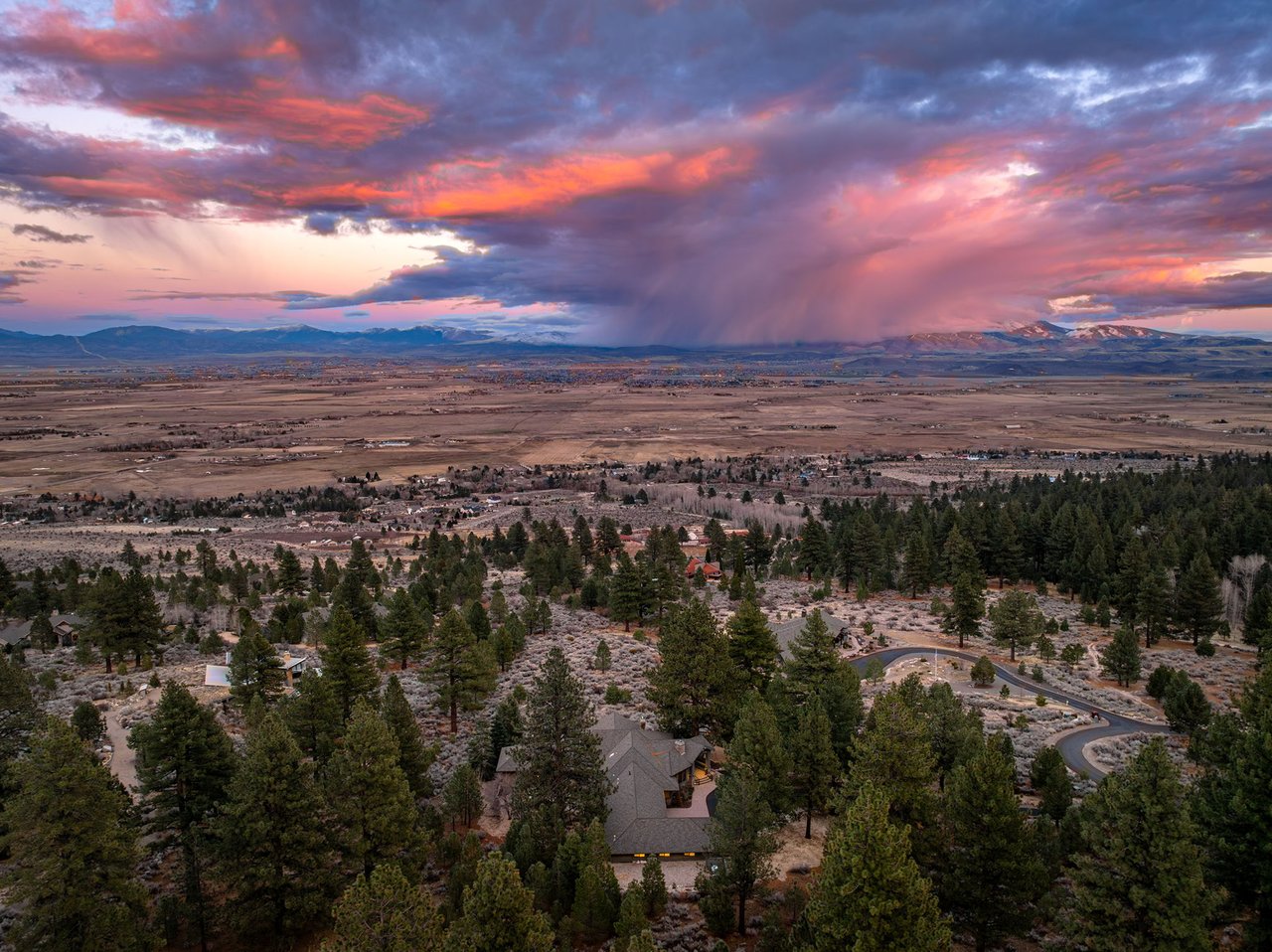
If you’ve ever thought about escaping overcrowded cities, lowering your cost of living, or simply living closer to nature, Northern Nevada is a place worth serious consideration. Often overlooked in favor of flashier destinations, this region offers a unique blend of wide-open landscapes, growing communities, and a balanced pace of life that appeals to a wide range of people. Northern Nevada sits where the high desert meets the Sierra Nevada mountains, creating a setting that feels both expansive and grounded, and this isn’t just about scenery—it shapes your daily life. Imagine stepping outside to clear skies and mountain views in every direction, with easy access to hiking trails, lakes, forests, and four distinct seasons that each bring their own rhythm. Outdoor recreation isn’t something you plan for once in a while—it becomes part of your everyday routine, whether that’s morning walks, weekend camping trips, or winter days on the slopes. One of the biggest draws of Northern Nevada is its balance, offering enough infrastructure and opportunity to feel connected without the intensity of a major metropolitan area. This often translates into shorter commutes, less traffic, and a slower, more manageable pace of life, while still providing modern conveniences like restaurants, healthcare, and shopping without the constant rush. Financially, Nevada’s lack of a state income tax is a major advantage, allowing your earnings to go further compared to neighboring states, and when combined with relatively attainable housing, lower property taxes, and a still-competitive cost of living, it becomes especially appealing for remote workers, retirees, and those relocating from more expensive regions. At the same time, Northern Nevada is growing, with an influx of new residents, expanding industries in technology, logistics, and manufacturing, and ongoing development in housing and infrastructure, all of which bring more job opportunities and amenities while still preserving much of the area’s original character. Day-to-day life often feels more personal, particularly in smaller communities where there’s a stronger sense of connection, local events and traditions, and a quieter, more neighborly atmosphere where people tend to know each other. Of course, there are tradeoffs to consider—the dry high desert climate can take some getting used to, housing costs have been rising as more people move in, and the weather can be unpredictable with hot summers, cold winters, and occasional strong winds. While the region continues to grow, it still doesn’t offer the same level of nightlife, dining variety, or cultural attractions as major cities, and education quality can vary depending on the area. Ultimately, Northern Nevada offers a lifestyle centered on space, simplicity, and access to nature, making it a great fit for those who value outdoor living, want to reduce financial pressure, and prefer a slower, less crowded environment while still maintaining access to essential amenities. It may feel limiting for those who thrive on dense urban energy, but for the right person, it offers something increasingly rare: the ability to live comfortably, stay connected, and still have room to breathe—and sometimes, that’s exactly what people are searching for.